Video Streaming Evolution: A Journey Through Time and Innovation
Picture this: You're curled up on your couch, scrolling through your favorite streaming platform, ready to dive into the next binge-worthy series or blockbuster movie. But have you ever stopped to think about how we got here? The world of video streaming evolution is a fascinating tale of technology, creativity, and sheer human ingenuity.
Back in the day, if you wanted to watch your favorite show, you had no choice but to tune in at a specific time and channel. Fast forward to today, and we have access to an endless library of content at our fingertips. The journey of video streaming evolution is not just about convenience; it's about how we consume media and how that consumption has reshaped the entertainment industry.
So buckle up, because we're about to take a deep dive into the history, milestones, and future of video streaming evolution. This isn't just a story—it's a revolution that's changing the way we live, work, and play.
The Early Days of Video Streaming
Let's rewind to the late '90s and early 2000s, when video streaming was still in its infancy. Back then, the internet wasn't as fast or reliable as it is today. Watching a video online often meant dealing with buffering issues, choppy playback, and low-quality visuals. But hey, it was still pretty cool, right? This was the era when RealNetworks and Microsoft were experimenting with streaming technologies, paving the way for what was to come.
One of the first major breakthroughs came in 2005 with the launch of YouTube. It wasn't exactly high-definition, but it was a game-changer. For the first time, people could upload, share, and watch videos online without needing fancy software. YouTube's success showed the world that there was a massive appetite for on-demand video content.
So, how did we go from those humble beginnings to the high-quality, seamless streaming experience we enjoy today? Stick around, because the story gets even more interesting.
Key Milestones in Video Streaming Evolution
The evolution of video streaming hasn't been a straight line—it's been more like a rollercoaster ride filled with twists, turns, and breakthroughs. Here are some of the key milestones that have shaped the industry:
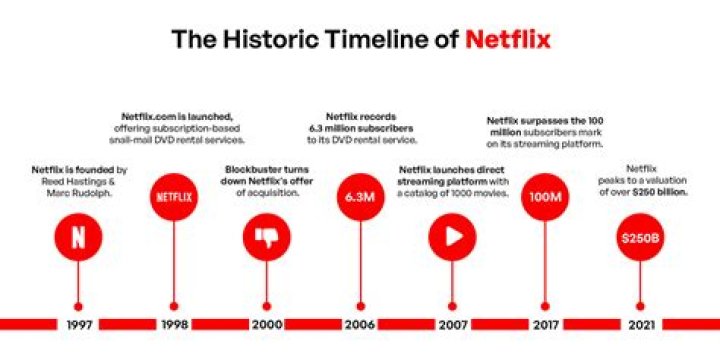
- 2007: Netflix Goes Streaming – Netflix made headlines when it shifted from DVD rentals to streaming services. This move changed the game by offering instant access to movies and TV shows.
- 2010: The Rise of HD Streaming – As internet speeds improved, so did the quality of streaming content. HD became the norm, and viewers could finally enjoy crystal-clear visuals.
- 2013: Original Content Takes Center Stage – Netflix's "House of Cards" marked the beginning of a new era where streaming platforms started producing their own original shows. This trend continues to dominate the industry today.
- 2020: The Streaming Wars Begin – With the launch of Disney+, Apple TV+, and others, the competition for streaming dominance intensified. It was like the Wild West, but with way better graphics.
Each of these milestones played a crucial role in shaping the video streaming landscape we know today. But it wasn't just about the platforms—it was also about the technology that powered them.
The Role of Technology in Shaping Video Streaming
Tech has been the driving force behind video streaming evolution. From improved bandwidth and faster internet speeds to advanced compression algorithms and AI-driven recommendations, technology has made streaming smoother, smarter, and more personalized.
For instance, advancements in cloud computing have allowed platforms to scale their operations, handling millions of users simultaneously without breaking a sweat. Meanwhile, machine learning algorithms analyze viewing habits to suggest content that viewers are more likely to enjoy, creating a more engaging experience.
But let's not forget about 5G. With its ultra-fast speeds and low latency, 5G is set to revolutionize video streaming once again. Imagine watching 4K content on your phone without a single buffering issue. Yeah, that's the future we're talking about.
The Rise of Streaming Platforms
As the video streaming evolution unfolded, so did the rise of streaming platforms. From Netflix and Hulu to Amazon Prime Video and Disney+, the competition has been fierce. Each platform brings something unique to the table, whether it's exclusive content, affordable pricing, or innovative features.
Take Netflix, for example. They started as a DVD rental service and transformed into a global streaming giant. Their focus on original content has set them apart from the competition, earning them critical acclaim and a loyal fan base.
On the other hand, Disney+ offers a treasure trove of iconic franchises like Marvel, Star Wars, and Pixar. It's like having your childhood favorites and today's blockbusters all in one place. Who wouldn't want that?
How Consumer Behavior Has Changed
With so many options available, consumer behavior has evolved dramatically. People are no longer tied to traditional TV schedules or limited by what's available in their local stores. They can watch what they want, when they want, and where they want.
This shift has also led to a phenomenon known as "binge-watching." Thanks to the ability to stream entire seasons of a show at once, viewers can marathon their way through their favorite series. It's not uncommon to hear someone say, "I just finished a whole season in one weekend!"
But it's not just about watching more content; it's about how we interact with it. Social media has become a hub for discussing shows, sharing memes, and even influencing what gets produced next. It's a two-way street now, and fans have more power than ever before.
New Business Models in the Streaming Era
The video streaming evolution has also given rise to new business models. Subscription-based services like Netflix and Hulu have become the norm, offering unlimited access to content for a monthly fee. But that's not the only model out there.
Some platforms, like YouTube and Tubi, rely on ad-supported models, allowing users to watch content for free while still generating revenue. Others, like Amazon Prime Video, bundle streaming with other services, giving customers more value for their money.
Then there's the hybrid model, where platforms offer both ad-supported and subscription-based options. This approach caters to a wider audience, giving users the flexibility to choose what works best for them.
Challenges Faced by the Industry
Of course, with great innovation comes great challenges. The video streaming industry isn't without its hurdles. One of the biggest challenges is piracy. Despite efforts to combat it, illegal streaming remains a significant problem, costing the industry billions of dollars each year.
Another challenge is the cost of producing original content. With platforms investing heavily in exclusive shows and movies, the competition for talent and resources is fierce. This has led to rising production costs, which can ultimately affect pricing for consumers.
Then there's the issue of data privacy. As platforms collect more information about their users, concerns about how that data is used and protected have grown. It's a delicate balance between personalization and privacy, and one that the industry must navigate carefully.
Future Trends in Video Streaming
Looking ahead, the future of video streaming looks brighter than ever. Here are some trends to watch out for:
- Augmented Reality (AR) and Virtual Reality (VR) – Imagine watching a movie where you're fully immersed in the world of the story. AR and VR are set to take storytelling to the next level.
- Interactive Content – Shows and movies where viewers can influence the plot or make choices for the characters are becoming more popular. Think of it as a choose-your-own-adventure for the digital age.
- Sustainability – As the world becomes more environmentally conscious, streaming platforms are exploring ways to reduce their carbon footprint and promote sustainability.
These trends show that the video streaming evolution is far from over. In fact, it's just getting started.
The Impact on Society and Culture
Video streaming has had a profound impact on society and culture. It has democratized access to content, giving a voice to creators from all walks of life. Independent filmmakers, YouTubers, and content creators now have a global platform to share their stories.
It has also changed the way we consume news and information. With the rise of streaming news services, people can stay informed in real-time, no matter where they are in the world. This has made us more connected and aware of global events.
But it's not all sunshine and rainbows. The rise of streaming has also contributed to issues like screen addiction and the decline of traditional media. It's a double-edged sword, and one that we need to handle with care.
Wrapping It All Up
So there you have it—the incredible journey of video streaming evolution. From its humble beginnings to the powerhouse industry it is today, streaming has transformed the way we consume media. It's not just about watching videos anymore; it's about connecting, creating, and innovating.
As we look to the future, one thing is certain: the video streaming evolution will continue to shape our world in ways we can't even imagine yet. So keep your eyes peeled for the next big thing, and don't forget to hit that subscribe button while you're at it.
Got thoughts or questions about the future of video streaming? Drop a comment below, share this article with your friends, and let's keep the conversation going. After all, the story of video streaming evolution is far from over, and you're a part of it!