Raspberry Pi Remote Access Behind Firewall: A Comprehensive Guide
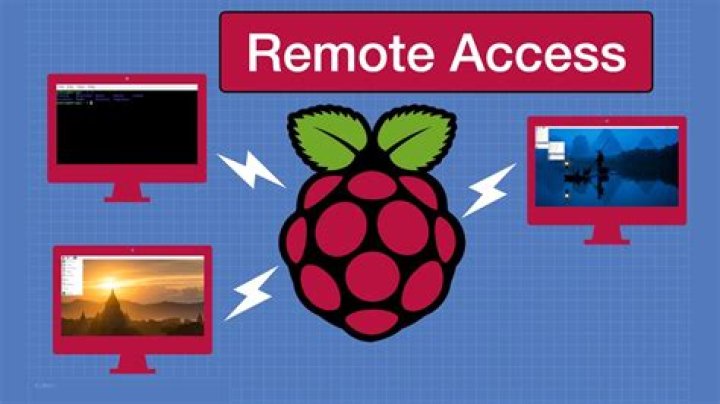
Remote access to Raspberry Pi behind a firewall has become increasingly important as more people rely on remote work and automation. Whether you're managing servers, running IoT projects, or accessing files from afar, setting up secure remote access is crucial. This guide will provide step-by-step instructions and expert insights to help you configure your Raspberry Pi for remote access while maintaining security.
In today's interconnected world, remote access to devices like Raspberry Pi is not just a convenience but a necessity. From monitoring home automation systems to managing remote servers, having the ability to securely connect to your Raspberry Pi from anywhere is invaluable. However, doing so while ensuring robust security can be challenging, especially when dealing with firewalls.
This article will cover everything you need to know about Raspberry Pi remote access behind a firewall. We'll explore various methods, tools, and best practices to ensure secure and reliable connections. Whether you're a beginner or an advanced user, this guide will equip you with the knowledge to set up and manage remote access effectively.
Introduction to Raspberry Pi
The Raspberry Pi is a versatile, single-board computer designed for educational purposes and DIY projects. It has gained immense popularity due to its affordability, flexibility, and community support. Whether you're using it for home automation, media streaming, or server management, understanding how to configure remote access is essential.
Why Use Raspberry Pi for Remote Access?
Raspberry Pi offers several advantages for remote access:
- Cost-Effective: Raspberry Pi is an affordable solution for setting up remote servers or automation systems.
- Energy Efficient: It consumes minimal power, making it ideal for long-term deployments.
- Customizable: With a wide range of operating systems and software options, Raspberry Pi can be tailored to meet specific needs.
Understanding Firewalls
A firewall is a network security system that monitors and controls incoming and outgoing network traffic based on predetermined security rules. When setting up Raspberry Pi remote access behind a firewall, understanding how firewalls work is crucial to ensuring secure connections.
Types of Firewalls
Firewalls can be categorized into:
- Software Firewalls: Installed on individual devices, such as the Raspberry Pi, to control traffic.
- Hardware Firewalls: Physical devices that protect entire networks from unauthorized access.
Remote Access Methods
There are several methods for accessing Raspberry Pi remotely, each with its own advantages and limitations. Here are some popular options:
SSH (Secure Shell)
SSH is a secure protocol for accessing Raspberry Pi remotely. It encrypts data transmitted between devices, ensuring secure communication.
VNC (Virtual Network Computing)
VNC allows you to remotely control the graphical user interface (GUI) of your Raspberry Pi. It's useful for tasks that require visual interaction.
Setting Up SSH
SSH is one of the most common methods for remote access to Raspberry Pi. Follow these steps to set it up:
Enabling SSH on Raspberry Pi
To enable SSH on your Raspberry Pi:
- Open the Raspberry Pi Configuration tool by typing
sudo raspi-configin the terminal. - Select "Interfacing Options" and enable SSH.
- Reboot your Raspberry Pi to apply the changes.
Using VPN for Remote Access
A Virtual Private Network (VPN) creates a secure tunnel between your device and the Raspberry Pi, bypassing firewalls and ensuring privacy. Here's how to set it up:
Steps to Configure a VPN
- Choose a reputable VPN provider that supports Raspberry Pi.
- Install the VPN client on your Raspberry Pi.
- Connect to the VPN and configure remote access settings.
Port Forwarding
Port forwarding allows you to direct incoming traffic from the internet to a specific device on your local network, such as your Raspberry Pi. Here's how to set it up:
Configuring Port Forwarding
- Log in to your router's admin interface.
- Locate the port forwarding settings and create a new rule.
- Specify the port number (e.g., 22 for SSH) and the IP address of your Raspberry Pi.
Dynamic DNS
Dynamic DNS (DDNS) services allow you to access your Raspberry Pi using a domain name instead of an IP address. This is particularly useful if your ISP assigns dynamic IP addresses.
Setting Up Dynamic DNS
- Sign up for a DDNS service provider.
- Install the DDNS client on your Raspberry Pi.
- Configure the client to update your domain name with your current IP address.
Security Best Practices
When setting up remote access to Raspberry Pi behind a firewall, security should be a top priority. Here are some best practices:
Use Strong Passwords
Ensure that all accounts on your Raspberry Pi have strong, unique passwords to prevent unauthorized access.
Enable Two-Factor Authentication
Two-factor authentication adds an extra layer of security by requiring a second form of verification, such as a code sent to your phone.
Troubleshooting Common Issues
Even with careful setup, issues can arise when configuring remote access. Here are some common problems and solutions:
Connection Issues
- Check Firewall Rules: Ensure that your firewall allows traffic on the required ports.
- Verify IP Address: Confirm that your Raspberry Pi's IP address is correct and reachable.
Conclusion and Next Steps
Remote access to Raspberry Pi behind a firewall is a powerful tool that enhances productivity and convenience. By following the methods and best practices outlined in this guide, you can set up secure and reliable connections for your projects. Remember to prioritize security and regularly update your system to protect against potential threats.
Call to Action: Share your experiences and tips for setting up Raspberry Pi remote access in the comments below. If you found this article helpful, consider exploring other guides on our website to further enhance your knowledge.
For more information on Raspberry Pi and related technologies, refer to the following resources: