Exploring Filipino Culture: Understanding the Role of Sexuality
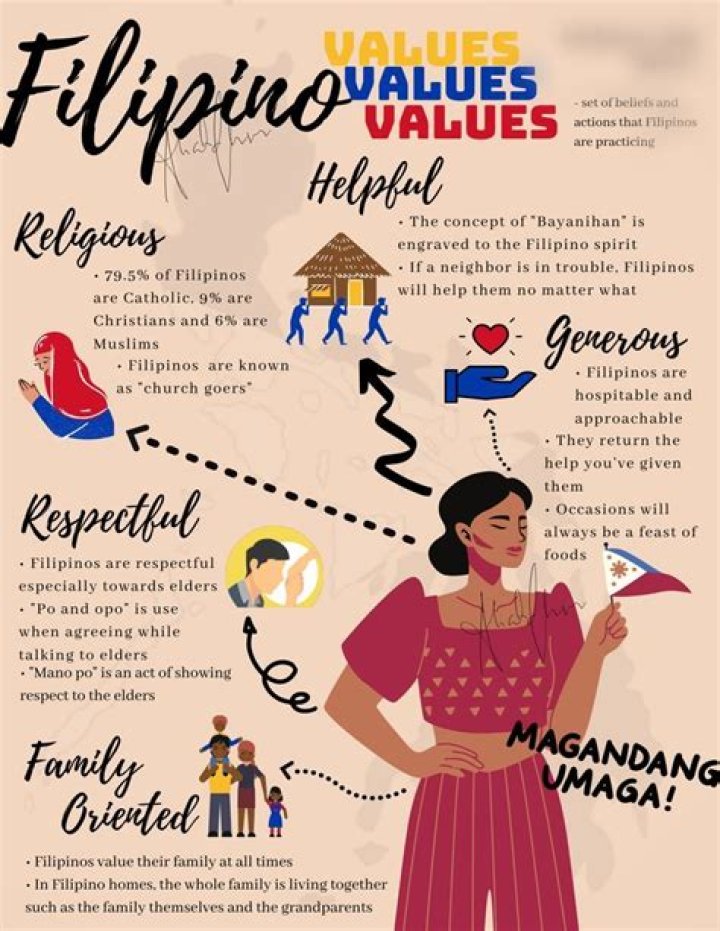
Sexuality is an integral part of Filipino culture, influencing societal norms, family values, and interpersonal relationships. As a deeply Catholic nation, the Philippines has traditionally maintained conservative views on sex. However, modern influences have started reshaping perspectives, creating a more nuanced understanding of sexuality within the cultural context.
Understanding the role of sexuality in Filipino culture provides valuable insights into how this Southeast Asian nation navigates the complexities of tradition versus modernity. This topic is particularly relevant as global influences continue to shape societal norms in the Philippines.
This article will explore the intersection of sexuality and Filipino culture, examining historical influences, contemporary challenges, and evolving perspectives. By the end of this discussion, readers will gain a comprehensive understanding of how sexuality fits into the broader context of Filipino values and traditions.
Historical Context of Sexuality in Filipino Culture
Before the arrival of Spanish colonizers, pre-colonial Filipino societies had relatively open attitudes toward sexuality. Indigenous practices emphasized fertility and life, with rituals and traditions celebrating sexual relationships. However, the introduction of Catholicism dramatically altered these views, instilling more conservative attitudes that persist to this day.
Colonial influences played a significant role in shaping Filipino sexual norms. The Spanish imposed strict religious doctrines that discouraged open discussions about sexuality and promoted abstinence until marriage. These teachings laid the foundation for the conservative views that dominate Filipino culture today.
Pre-Colonial Sexual Practices
Pre-colonial Filipinos viewed sexuality as a natural part of life, often intertwined with spiritual and cultural practices. Rituals celebrating fertility and procreation were common, reflecting a more open attitude toward sexual expression. This openness, however, was largely replaced by the conservative teachings introduced by Spanish colonizers.
The Influence of Religion on Filipino Sexual Norms
Religion, particularly Catholicism, has profoundly influenced Filipino attitudes toward sexuality. The Catholic Church's teachings on sexual morality, abstinence, and family values have shaped societal norms for centuries. These beliefs continue to play a significant role in shaping public policy and personal attitudes toward sexuality.
According to a survey by the Pew Research Center, approximately 80% of Filipinos identify as Catholic. This strong religious affiliation reinforces conservative views on topics such as premarital sex, contraception, and LGBTQ+ rights. The Church's influence is evident in the country's laws and policies related to reproductive health and sexual education.
Religious Teachings on Sexuality
- Abstinence until marriage is strongly encouraged.
- Contraception use is discouraged, especially by the Catholic Church.
- Same-sex relationships face significant opposition from religious groups.
Modern Perspectives on Sexuality in the Philippines
While traditional values still hold sway, modern influences are gradually reshaping Filipino attitudes toward sexuality. Increased access to information through the internet, exposure to global cultures, and evolving social norms have contributed to a more open dialogue about sexual health and relationships.
Younger generations, in particular, are challenging traditional norms and advocating for more inclusive and progressive views on sexuality. Social media platforms have become important spaces for discussions about sexual health, consent, and LGBTQ+ rights, helping to normalize conversations that were once taboo.
Changing Attitudes Among Youth
According to a study published in the Journal of Adolescent Health, Filipino youth are becoming more informed about sexual health and rights. This shift is partly attributed to increased access to education and information, as well as greater exposure to diverse perspectives through digital platforms.
Sex Education in the Philippines
Sex education remains a contentious issue in the Philippines, with debates centering around the balance between religious values and scientific knowledge. While the government has implemented policies promoting comprehensive sex education, implementation varies widely across regions and schools.
Efforts to improve sex education have faced resistance from religious groups and conservative factions. However, proponents argue that comprehensive sex education is crucial for reducing teenage pregnancies, sexually transmitted infections, and promoting overall sexual health.
Challenges in Implementing Sex Education
- Resistance from religious and conservative groups.
- Limited resources and trained educators in rural areas.
- Varied levels of commitment among local governments.
The Role of Media in Shaping Filipino Sexual Views
Media plays a crucial role in shaping attitudes toward sexuality in the Philippines. Traditional media, such as television and radio, often reinforce conservative values, while digital platforms provide spaces for more progressive discussions. The rise of social media has democratized access to information, allowing diverse voices to contribute to the conversation.
However, media representation of sexuality in the Philippines remains largely influenced by cultural norms and religious teachings. Efforts to promote more inclusive and accurate portrayals of sexual health and relationships are ongoing.
Impact of Social Media
Social media platforms have become important tools for advocacy and education on sexual health. Organizations and individuals use these platforms to share information, challenge stereotypes, and promote awareness about sexual rights and health.
Common Taboos Surrounding Sex in Filipino Culture
Despite increasing openness, several taboos surrounding sexuality persist in Filipino culture. Topics such as premarital sex, contraception, and LGBTQ+ relationships remain sensitive subjects that are often avoided in public discussions. These taboos reflect deeply ingrained cultural and religious values that continue to influence societal norms.
Addressing these taboos requires a delicate balance between respecting traditional values and promoting progressive attitudes. Education and open dialogue are essential in breaking down barriers and fostering a more inclusive understanding of sexuality.
Breaking Down Taboos
- Promoting open discussions about sexual health.
- Encouraging acceptance of diverse sexual orientations and identities.
- Providing accurate information to counter misinformation.
Gender Dynamics and Sexuality in the Philippines
Gender dynamics significantly influence attitudes toward sexuality in the Philippines. Traditional gender roles often dictate expectations and behaviors related to sexual relationships. Women, in particular, face societal pressures to conform to conservative ideals of modesty and purity.
Efforts to promote gender equality and challenge traditional norms are gaining momentum, with advocacy groups working to empower women and promote more inclusive views on sexuality. These efforts are crucial in addressing issues such as gender-based violence and promoting sexual health and rights for all individuals.
Challenging Traditional Gender Norms
Organizations and activists are working to challenge traditional gender norms and promote more equitable views on sexuality. This includes advocating for policies that protect women's rights and promoting education that encourages respectful and consensual relationships.
Sexual Health and Wellness in the Philippines
Sexual health and wellness remain critical issues in the Philippines, with challenges ranging from limited access to reproductive health services to high rates of teenage pregnancies. Addressing these challenges requires a multifaceted approach that includes education, policy reform, and community engagement.
Efforts to improve sexual health outcomes have been bolstered by the passage of the Reproductive Health Law, which aims to provide universal access to reproductive health services and information. However, implementation remains inconsistent, particularly in rural and underserved areas.
Addressing Sexual Health Challenges
- Expanding access to reproductive health services.
- Promoting comprehensive sex education in schools.
- Encouraging open discussions about sexual health and wellness.
Legal Aspects of Sexuality in the Philippines
The legal framework surrounding sexuality in the Philippines reflects the complex interplay between traditional values and modern influences. Laws related to reproductive health, LGBTQ+ rights, and sexual offenses continue to evolve, reflecting ongoing debates about the role of sexuality in society.
Recent legislative developments, such as the passage of the Reproductive Health Law and anti-discrimination measures, demonstrate progress toward promoting sexual rights and health. However, challenges remain in ensuring full implementation and enforcement of these laws.
Key Legislative Developments
- Reproductive Health Law (2012).
- Anti-Discrimination Ordinances in select localities.
- Ongoing efforts to pass national anti-discrimination legislation.
The Future of Sexuality in Filipino Culture
The future of sexuality in Filipino culture is shaped by the ongoing tension between traditional values and modern influences. As younger generations embrace more progressive attitudes, there is hope for a more inclusive and informed approach to sexual health and relationships.
Continued efforts to promote education, advocacy, and policy reform are essential in addressing the challenges and opportunities that lie ahead. By fostering open dialogue and respecting diverse perspectives, Filipino society can navigate the complexities of sexuality in a rapidly changing world.
Looking Ahead
The evolution of attitudes toward sexuality in Filipino culture reflects broader societal changes. As global influences continue to shape local norms, it is crucial to maintain a balance between respecting tradition and promoting progress. The future holds promise for a more inclusive and informed understanding of sexuality in the Philippines.
Conclusion
Understanding the role of sexuality in Filipino culture provides valuable insights into the complexities of tradition versus modernity. From historical influences to contemporary challenges, this article has explored the various factors shaping attitudes toward sexuality in the Philippines.
To further engage with this topic, readers are encouraged to share their thoughts and experiences in the comments section. Additionally, exploring related articles on this site can provide deeper insights into the intersection of culture, religion, and sexuality in the Philippines. Together, we can foster a more informed and inclusive dialogue about sexuality in Filipino culture.